Monthly Archives

June 2026

Double Crop Soybeans or Cover Crop?

By Uncategorized
Double Crop Soybeans: Is This Your Year?
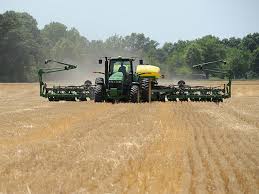
As cereal crops move toward maturity, double crop soybeans are back in the conversation. At the very least you will have a cover crop, but a harvestable crop are often successful. If you need seed for double crop, or cover crop contact us. Here’s what you need to know to make it work.
Is Your Region a Good Fit?
  • Success is most likely in >2,900 CHU regions, but an early summer harvest can open the door for shorter-season areas as well.
Planting Timing is Everything
  • Plant as early as possible after harvest – yield potential drops off significantly with each day of delay.
  • Target planting before July 20 for your best chance at success.
  • Consider harvesting winter wheat slightly early at 19–22% moisture and drying to gain a few extra days.
Agronomic Tips for Success
  • Seed deeper than normal – with warm soil temps, soybeans can go 2–3 inches deep and still germinate well. Plant into moisture.
  • No-till helps retain soil moisture and reduces input costs.
  • Choose herbicide-traited varieties for simple and affordable weed control.
  • Plant in narrow rows (7.5″) and choose tall varieties to speed canopy closure. Yield is maximized when canopy closes by R1.
  • Select a variety 1–2 RM (200–400 CHU) shorter than your normal adapted soybean. Syngenta research (2012–2013) found no yield advantage to longer-maturity varieties in double crop – and harvest moisture was significantly higher in later-maturing varieties.
  • Increase seeding rates by 30–50% – target 200,000–300,000 seeds/acre depending on timing and CHU zone.
Set Realistic Expectations: Successful double crop soybean yields typically land in the 20–30 bu/acre range. It’s a great opportunity to generate additional revenue from the acre, but success is highly dependent on environmental conditions. Talk to your Jackson Seeds soybean rep to discuss opportunity and supply.
Additional Resources

Double Cropping Soybean Recommendations in Wisconsin

https://www.ontariosoilcrop.org/wp-content/uploads/2023/02/v10crpadv_soy1_2013_double_cropping_soybeans_in_ontario.pdf

https://www.realagriculture.com/soybean-school/soybean-school-short-season-varieties-could-unlock-double-cropping-success/


Image Source:

https://www.dtnpf.com/agriculture/web/ag/blogs/production-blog/blog-post/2016/06/24/double-beans
New Office Is Open!

By Uncategorized

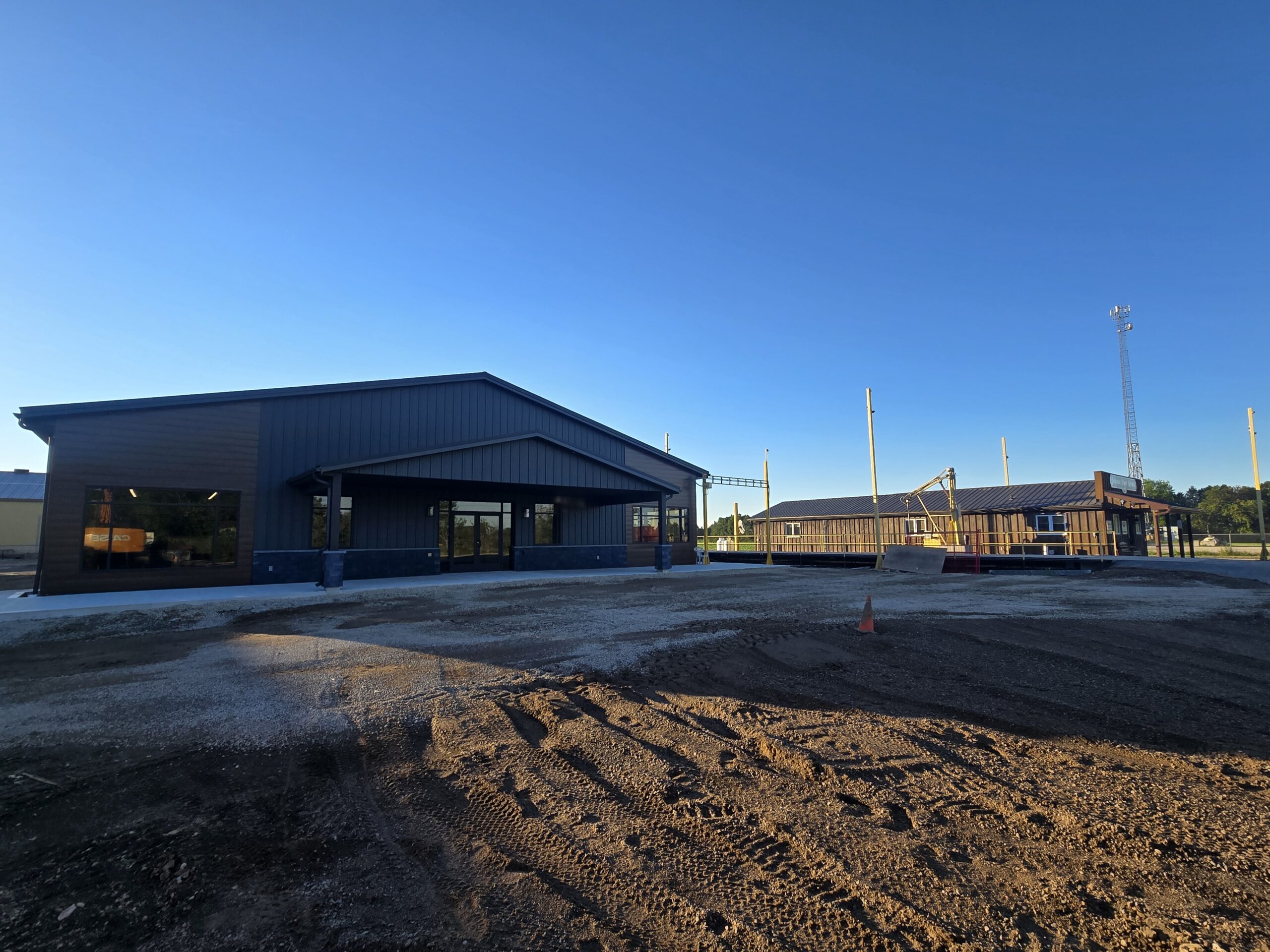
If you arrive at JSS, you will notice some significant changes to the parking lot. All the staff have migrated to the new office building, so please find your way into that building to get service. The old office is up for grabs if anyone wants to pay the moving costs. It will need to be moved fairly soon, if you are interested don’t hesitate to contact us.

The probe for receiving grain is moved to what was our outbound scale. This is temporary until the new inbound scale is operational. If you have any questions about the temporary changes to operations, or future permanent changes, don’t hesitate to ask. We will also be having an open house Sept 10, 2026 and you can ask about those details as well.

Comment Period for Cargill in Sarnia

By Uncategorized

The Ministry of Municipal Affairs is looking for comments on the proposed rezoning around Cargill’s grain terminal in Sarnia. The possibility of a condo development near the grain handling facility has the potential to affect farmers, trucking companies and employers across Southwestern Ontario. If you would like to contribute your comments to the process, follow the link below. St. Clair township is lobbying the city of Sarnia and the government to consider the far reaching effects of this process.

Please see link to Public Comment to Environmental Registry of Ontario.

Request for a Minister’s Zoning Order to restrict sensitive land uses around Cargill Sarnia Export Grain Terminal in the City of Sarnia | Environmental Registry of Ontario

Are you ready for wheat harvest?

By Uncategorized
Below are a few things to consider as wheat harvest is fast approaching!
1. Combine & Header Preparation
    • Routine Maintenance: Check belts, pulleys, chains, and sprockets. Replace any frayed or damaged wear parts to prevent mid-season breakdowns.
    • Lubrication: Sufficiently grease bearings and moving parts to avoid friction and potential fire hazards.
    • Header Setup: Install and calibrate wheat-specific headers. Inspect knife sections, guards, and hold-downs. Replace severely rounded edges to ensure a clean, scissor-like cut. 
    • Threshing System: Check concave wear and adjust clearance to match crop conditions. Make sure the rotor and feeder house chains are properly tensioned.

2. Grain Storage & Handling
    • Bin Cleaning: Completely remove old grain, dust, and debris from floors, aeration systems, and wall stiffeners to deter pests and mold. Sprinkle diatomaceous earth to kill storage pests.
    • Infrastructure Check: Inspect grain bins, lids, and doors for leaks, holes, or rust. Tighten loose hardware and cables.
    • Aeration & Fans: Clean ventilation systems, test aeration fans, and check temperature sensors to ensure proper moisture management during storage.
    • Equipment Inspection: Test augers, portable elevators, and grain carts to ensure belts and auger flighting are in working order. 

3. Safety & Logistics
  • Fire Extinguishers: Ensure all self-propelled equipment (combines, tractors) is equipped with fully charged, accessible fire extinguishers.
  • Lights & Road Safety: Test all flashers, turn signals, and headlights. Ensure Slow Moving Vehicle (SMV) emblems are clean and unfaded.
  • Wagon bearings and tires: Check tire pressures and bearings for being road ready. Better to find them before harvest, and not when a full wagon is at road speed.

Soybeans are Emerging!

By Uncategorized

Some beans have been slow with cooler weather, some have been held back with a crusting soil. The recent heat has pushed many beans through the soil surface. Even more acres have been planted in the past few days. The big rush seems to be slowing, and it is June. If you require assistance with orders, please call the office for hours because as the demand for seed slows our work hours are reducing back to normal. Enjoy the spring weather!